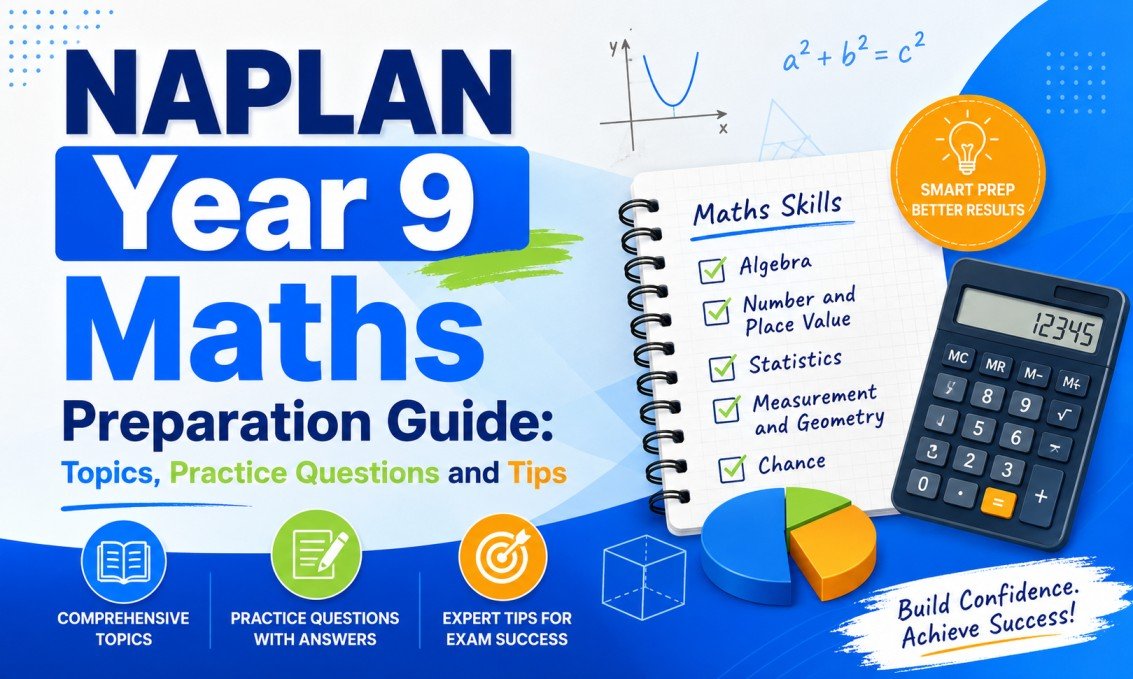


Year 9 maths does not appear on a final ATAR transcript, but it quietly shapes the subjects a student can access in senior school, which absolutely does. Struggling through Year 9 often means falling behind on the foundations needed for Year 10 electives, which in turn determines eligibility for Advanced or Extension maths courses in Year 11 and 12. Those senior subjects carry real weight in ATAR calculations. This guide explains why Year 9 matters more than it seems, the most common reasons grades slip at this stage, and practical steps students and parents can take now to protect future options.
Why Year 9 Matters for Later ATAR Outcomes
Year 9 sits at an awkward point in schooling. The content becomes noticeably harder, students juggle more subjects and extracurricular demands, and many schools use Year 9 and 10 results to help guide subject recommendations for senior years.
A student who struggles through Year 9 maths without addressing the gaps often finds themselves steered toward a lower level maths course in Year 11 and 12. Since more advanced maths subjects typically scale higher in ATAR calculations, an early dip in confidence can narrow options later, even if the student is genuinely capable of more.
The Chain Reaction to Understand
- Weak Year 9 foundations make Year 10 content harder to grasp
- Year 10 results influence subject recommendations for senior maths
- Senior maths subject choice affects both study options and ATAR scaling
- Early intervention in Year 9 keeps every future pathway open
Common Reasons Maths Grades Slip in Year 9
Understanding why grades drop is the first step to fixing them. The causes are often more specific than simply not trying hard enough.
Content Gets More Abstract
Year 9 introduces more formal algebra, function notation and multi step problem solving. Students who relied on memorisation in earlier years can struggle once concepts require genuine understanding.
Gaps From Earlier Years Resurface
Maths is cumulative. A shaky grasp of fractions, ratios or algebra basics from Year 7 or 8 can quietly undermine Year 9 topics that build directly on them.
Increased Workload and Distraction
Year 9 often brings more subjects, more homework and more social pressures. Maths can easily slip down the priority list without a student even noticing.
Loss of Confidence
Once a student falls behind, lessons move faster than they can process, which often leads to disengagement rather than simply asking for help.
Practical Steps to Improve Year 9 Maths Grades
Identify the Real Gap First
Before adding more practice, it helps to work out exactly where understanding breaks down. A student might be confident with basic algebra but lost as soon as equations involve multiple steps. Targeted diagnosis saves far more time than general revision.
Rebuild Foundational Skills Where Needed
If earlier gaps are contributing to current struggles, briefly revisiting Year 7 and 8 content, such as fractions, ratios or basic equations, can unlock progress far faster than pushing ahead with Year 9 material alone.
Practise Consistently, Not Just Before Tests
- Short, regular sessions build retention better than last-minute cramming
- Reviewing mistakes properly matters more than repeating easy questions
- Mixing topics in practice mirrors how exams actually test understanding
Use Class Time Actively
- Ask questions as soon as confusion starts, rather than waiting
- Attempt problems before checking the answer or asking for help
- Take clear notes on worked examples for later revision
Consider Structured Support Early
Waiting until Year 10 or 11 to address a Year 9 slump often means catching up under greater pressure. Addressing gaps now, while the content is still relatively manageable, tends to produce faster, more lasting results.
How Parents Can Support Without Adding Pressure
Parents play an important role, but pressure alone rarely helps.
Helpful Approaches
- Focus conversations on effort and understanding, not just marks
- Ask what topics feel confusing rather than only checking test results
- Keep home maths time calm and encouraging, especially after a poor result
- Involve a tutor or teacher early rather than waiting for a crisis point
When to Seek Extra Help
Some students recover quickly with a bit of extra practice. Others benefit from more structured online Year 9 maths tutoring support.
Signs It Is Time for a Tutor
- Grades have dropped noticeably over one or two terms
- The student avoids maths homework or expresses ongoing frustration
- Gaps from earlier years are clearly affecting current topics
- Parents are unsure how to help with the current Year 9 content
At Mastering Maths Online, our best maths tutors work with Year 9 students across Australia to rebuild both skill and confidence, with sessions tailored to each student’s specific gaps rather than generic revision. The goal is steady, genuine improvement that protects a student’s options heading into senior school.
Conclusion
Year 9 maths grades may not appear on an ATAR transcript, but they shape the subject pathways that do. Understanding why grades slip, addressing gaps early, and building consistent study habits can prevent a temporary struggle from narrowing future options. With the right support at the right time, most students can turn a difficult Year 9 into a strong foundation for senior maths.
Frequently Asked Questions
No. ATAR is calculated from Year 11 and 12 results, but Year 9 performance influences which senior maths subjects a student can access.
Content becomes more abstract, earlier knowledge gaps resurface, and increased workload and distractions can all contribute to a drop in grades.
No. Addressing gaps in Year 9 is generally easier than waiting until senior years, when content becomes more demanding and time pressure increases.
A tutor or teacher can assess specific topic understanding, but signs include struggling with content that relies on fractions, ratios or basic algebra from Year 7 or 8.
If grades have dropped noticeably or your child shows ongoing frustration with maths, early tutoring support can help close gaps before they affect senior subject options.